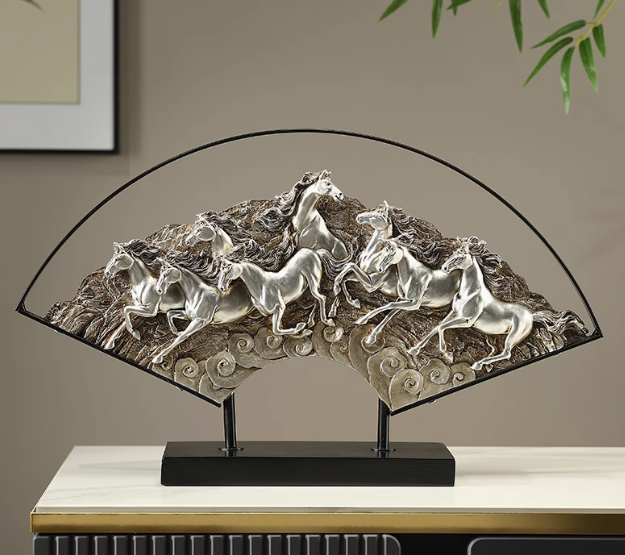
bateaux de coulée
La fonderie représente l'un des procédés de fabrication les plus fondamentaux et polyvalents de l'industrie moderne, servant de technologie essentielle à la création de composants métalliques complexes dans divers secteurs. Cet art ancestral, perfectionné au fil des siècles d'innovation, consiste à verser du métal en fusion dans des moules spécialement conçus afin de produire des pièces finies avec une précision et une fiabilité exceptionnelles. La fonderie englobe plusieurs techniques spécialisées telles que le moulage au sable, le moulage par coulée, le moulage sous pression et le coulage continu, chacune adaptée à des exigences spécifiques de matériaux et à des volumes de production donnés. À sa base, ce procédé de fabrication transforme les matières premières en composants fonctionnels par solidification contrôlée, permettant ainsi la création de géométries complexes difficiles, voire impossibles, à réaliser par d'autres méthodes de fabrication. Les caractéristiques technologiques de la fonderie incluent des systèmes avancés de contrôle de température, des capacités sophistiquées de conception de moules et une gestion précise de la composition des alliages. Les installations modernes de fonderie utilisent des logiciels de conception assistée par ordinateur pour optimiser les configurations des moules, assurant ainsi un écoulement optimal du métal et minimisant les défauts. Le processus commence par la création du modèle, suivi de la préparation du moule, de la fusion du métal, du versement, du refroidissement et des opérations de finition. Des mesures de contrôle qualité tout au long de chaque étape garantissent des résultats constants et le respect de spécifications strictes. Les applications de la fonderie couvrent pratiquement tous les secteurs industriels, allant des blocs moteurs et carter de transmission automobiles aux aubes de turbines aéronautiques et aux implants médicaux. Les industries de la construction dépendent fortement des tuyaux en fonte, des éléments architecturaux et des composants structurels produits par divers procédés de fonderie. Le secteur de l'électronique utilise la fonderie de précision pour les dissipateurs thermiques, les boîtiers et les connecteurs. Les applications marines comprennent les hélices, les corps de vannes et les accessoires de coque fabriqués à l'aide de techniques de fonderie spécialisées. La fonderie sert également à des fins artistiques et décoratives, permettant la création de sculptures, d'éléments ornementaux et de caractéristiques architecturales sur mesure. Dans le secteur de l'énergie, elle est utilisée pour les composants d'éoliennes, les pièces de réacteurs nucléaires et le matériel de forage pétrolier. Les fabricants de machines agricoles s'appuient sur la fonderie pour produire des outils durables, des composants de tracteurs et des pièces de systèmes d'irrigation.