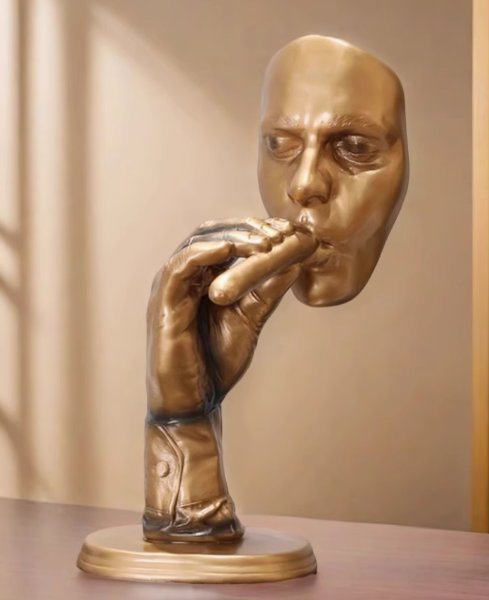
When selecting decorative sculptures for your home, office, or commercial space, the choice between polyresin and bronze materials represents one of the most significant decisions you'll face. Both materials offer distinct advantages and serve different purposes in the world of decorative art. Understanding the fundamental differences between these materials will help you make an informed decision that aligns with your aesthetic preferences, budget constraints, and long-term expectations. The modern art market has embraced both traditional bronze casting techniques and innovative polyresin manufacturing processes, creating a diverse landscape of sculptural options for consumers and collectors alike.
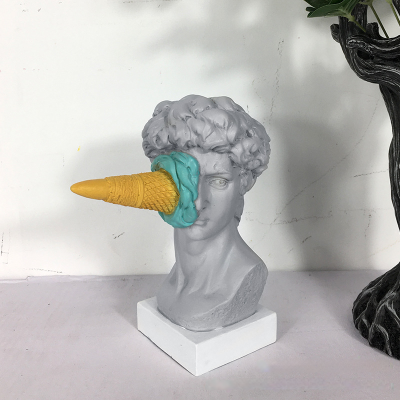
Material Composition and Manufacturing Processes
Understanding Polyresin Construction
Polyresin represents a synthetic polymer material created through the combination of resin compounds with various additives and fillers. This manufacturing process allows for exceptional detail reproduction and enables artists to create intricate designs that would be challenging or cost-prohibitive in traditional materials. The polyresin statue production involves molding techniques that capture fine surface textures and complex geometric patterns with remarkable precision. Modern polyresin formulations incorporate stone powders, metallic particles, and color pigments that enhance both the visual appeal and structural integrity of the finished piece.
The manufacturing flexibility of polyresin allows for mass production without sacrificing artistic quality. Skilled artisans can create master molds that reproduce identical pieces with consistent quality standards, making polyresin an excellent choice for decorative collections or commercial installations. The curing process typically involves controlled temperature and humidity conditions that ensure optimal strength and durability characteristics in the final product.
Bronze Casting Traditions and Techniques
Bronze sculpture represents one of humanity's oldest and most revered artistic traditions, dating back thousands of years to ancient civilizations. The bronze casting process involves creating detailed wax models, constructing ceramic shell molds, and pouring molten bronze alloy at temperatures exceeding 2000 degrees Fahrenheit. This time-intensive process requires specialized equipment, extensive training, and considerable expertise to achieve professional results. Traditional bronze contains approximately 88% copper and 12% tin, though modern alloys may incorporate additional elements like zinc or lead to enhance specific properties.
The patination process gives bronze sculptures their distinctive coloration and surface characteristics. Artists apply various chemical solutions and heat treatments to achieve desired patina effects, ranging from classic verdigris green to rich brown tones. These surface treatments not only enhance aesthetic appeal but also provide protective properties that contribute to bronze's legendary durability and weather resistance.
Cost Analysis and Investment Considerations
Initial Purchase Price Factors
The price differential between polyresin and bronze sculptures reflects fundamental differences in material costs, manufacturing complexity, and market positioning. Polyresin statue pricing typically ranges from affordable decorative pieces to mid-range artistic reproductions, making this material accessible to a broader consumer base. The synthetic nature of polyresin eliminates fluctuating metal commodity prices that can significantly impact bronze sculpture costs. Manufacturing efficiency in polyresin production allows for competitive pricing without compromising artistic integrity or visual impact.
Bronze sculptures command premium pricing due to material costs, labor-intensive casting processes, and the specialized skills required for successful completion. Raw bronze prices fluctuate with global copper and tin markets, creating variability in final sculpture costs. Additionally, bronze casting requires substantial infrastructure investments in foundry equipment, ventilation systems, and safety measures that contribute to overall production expenses.
Long-term Value Retention
Investment potential varies significantly between polyresin and bronze sculptures based on factors including artist reputation, edition size, market demand, and material longevity. Bronze sculptures by established artists often appreciate in value over time, particularly limited edition pieces or works with documented provenance. The inherent durability of bronze creates confidence among collectors regarding long-term preservation and condition stability. Museum-quality bronze pieces can retain or increase their value across generations, making them attractive options for serious collectors.
Polyresin sculptures generally focus on decorative value rather than investment appreciation, though exceptional pieces by renowned artists may develop collector interest. The relative newness of polyresin as an artistic medium means long-term market behavior remains somewhat unpredictable. However, the accessibility and affordability of quality polyresin pieces make them excellent choices for personal enjoyment without significant financial risk.
Durability and Maintenance Requirements
Weather Resistance and Outdoor Applications
Bronze's exceptional weather resistance makes it the preferred choice for outdoor installations and public art projects. The natural patination process actually protects the underlying metal from further oxidation, creating a self-preserving surface that can withstand decades of exposure to rain, snow, UV radiation, and temperature fluctuations. Properly maintained bronze sculptures can survive centuries in outdoor environments while retaining their structural integrity and artistic detail.
Polyresin statue weather resistance depends heavily on manufacturing quality and protective coatings applied during production. High-quality polyresin formulations with UV stabilizers can withstand outdoor conditions for several years, though they may experience gradual color fading or surface degradation over extended periods. Indoor applications maximize polyresin longevity and maintain optimal appearance characteristics throughout the sculpture's lifespan.
Cleaning and Preservation Methods
Bronze sculpture maintenance involves periodic cleaning with mild soap solutions and soft brushes to remove accumulated dirt and pollutants. Protective wax coatings can be applied annually to preserve patina appearance and prevent unwanted oxidation in specific environmental conditions. Professional conservation services may be required for valuable pieces or sculptures showing signs of corrosion or structural damage.
Polyresin statue maintenance typically requires only gentle dusting and occasional cleaning with mild detergent solutions. The non-porous surface resists staining and allows for easy removal of most contaminants. Avoiding harsh chemicals and abrasive cleaning materials helps preserve surface finishes and color integrity throughout the sculpture's useful life.
Aesthetic Qualities and Design Flexibility
Surface Textures and Finishing Options
The aesthetic possibilities available in polyresin manufacturing enable artists to experiment with diverse surface textures, color combinations, and finishing techniques that might be impractical or impossible in bronze. Modern polyresin formulations can simulate marble, stone, wood, or metallic appearances while maintaining lightweight characteristics and production efficiency. Specialized additives create unique visual effects including metallic luster, translucent qualities, or textured surfaces that enhance artistic expression and design flexibility.
Bronze sculptures offer the timeless aesthetic appeal of traditional metalworking craftsmanship combined with the rich patina colors that develop naturally over time. The weight and substantial feel of bronze conveys quality and permanence that many collectors and art enthusiasts find appealing. Surface textures in bronze result from casting techniques, tool marks, and patination processes that create unique characteristics in each individual piece.
Size and Scale Considerations
Polyresin's lightweight properties enable the creation of large-scale sculptures without the structural support requirements associated with heavy bronze pieces. This characteristic makes polyresin particularly suitable for wall-mounted installations, suspended sculptures, or situations where weight limitations restrict design possibilities. The manufacturing process allows for thin-walled construction techniques that maintain structural integrity while minimizing material usage and final weight.
Bronze sculpture size is often limited by foundry capabilities, transportation constraints, and installation requirements due to the material's substantial weight. However, the inherent strength of bronze allows for detailed sculptural elements and extended forms that might be fragile in other materials. Large bronze installations require careful engineering and robust mounting systems to ensure long-term stability and safety.
FAQ
How long do polyresin statues typically last compared to bronze sculptures
Polyresin statues can last 10-20 years in indoor environments with proper care, while outdoor exposure may reduce this to 5-10 years depending on climate conditions and UV protection. Bronze sculptures, when properly maintained, can last centuries and often improve in appearance as patina develops naturally over time. The longevity difference reflects the fundamental material properties and manufacturing processes used in each type of sculpture.
Can polyresin statues be repaired if damaged
Minor damage to polyresin statues can often be repaired using specialized adhesives, fillers, and touch-up paints that match the original finish. However, extensive damage may be difficult or impossible to repair invisibly due to the complex color and texture combinations used in polyresin manufacturing. Bronze sculptures can typically be welded, patched, and re-patinated by skilled metalworkers, making them more suitable for restoration when damage occurs.
Which material offers better detail reproduction in sculptural work
Both materials excel at detail reproduction but through different mechanisms. Polyresin molding can capture extremely fine surface textures and intricate patterns with consistent quality across multiple pieces. Bronze casting also achieves excellent detail reproduction, though the process may soften some extremely fine features during the molten metal pouring and cooling phases. The choice depends on the specific artistic requirements and production methods employed.
Are there environmental considerations when choosing between polyresin and bronze
Bronze is a recyclable material that can be melted down and reused indefinitely without losing its essential properties, making it environmentally sustainable in the long term. Polyresin production involves synthetic materials and chemical processes that may have environmental implications, though many manufacturers now use more eco-friendly formulations and production methods. Consider the entire lifecycle impact including manufacturing, transportation, use phase, and end-of-life disposal when making environmental assessments.