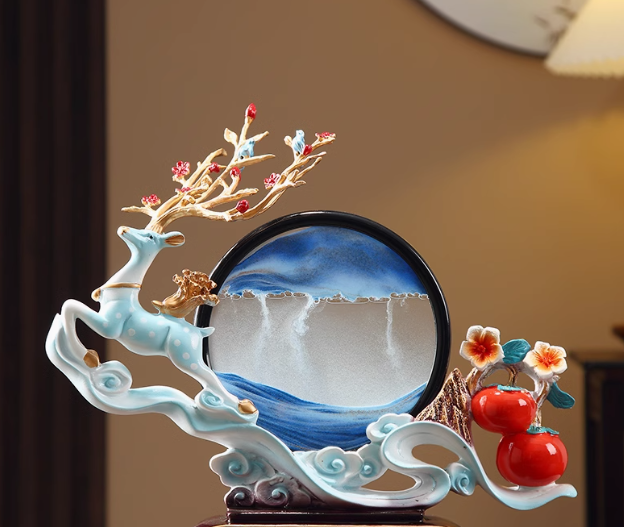
Polyresin statues have become increasingly popular among collectors and decorative art enthusiasts due to their durability, affordability, and intricate detail capabilities. These synthetic resin sculptures offer the aesthetic appeal of traditional materials like stone or ceramic while providing superior resistance to weather and impact damage. Understanding proper care and maintenance techniques is essential for preserving the beauty and longevity of your polyresin statue collection, whether displayed indoors or in outdoor garden settings.
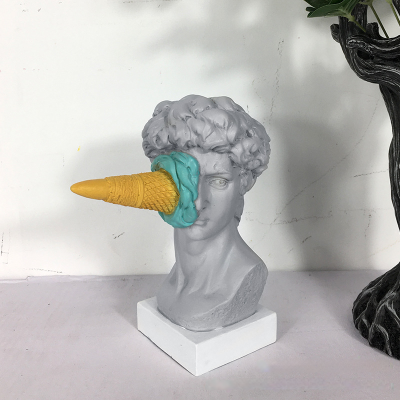
Understanding Polyresin Material Properties
Composition and Manufacturing Process
Polyresin is a synthetic polymer material created through a chemical reaction between polyol and diisocyanate compounds. This manufacturing process results in a lightweight yet durable substance that can be molded into intricate shapes and detailed sculptures. The material's cellular structure provides excellent insulation properties while maintaining structural integrity under various environmental conditions. Modern polyresin formulations often include additives that enhance UV resistance, color stability, and overall durability for long-term display purposes.
The casting process for polyresin sculptures typically involves pouring liquid resin into detailed molds, allowing for precise reproduction of fine textures and artistic elements. This manufacturing method enables mass production of high-quality decorative pieces at affordable price points compared to traditional sculpting materials. The versatility of polyresin allows manufacturers to create everything from classical reproductions to contemporary artistic designs with consistent quality and detail retention.
Durability and Weather Resistance
One of the primary advantages of polyresin material is its exceptional resistance to environmental factors that commonly damage other decorative materials. Unlike natural stone or plaster sculptures, polyresin maintains its structural integrity when exposed to temperature fluctuations, moisture, and moderate impact forces. The material's closed-cell structure prevents water absorption, reducing the risk of freeze-thaw damage in colder climates and preventing mold or mildew growth in humid conditions.
Quality polyresin formulations include UV stabilizers that protect against color fading and surface degradation caused by prolonged sun exposure. This weather resistance makes polyresin an ideal choice for outdoor garden displays, patio decorations, and architectural accents that must withstand seasonal weather variations. However, proper maintenance practices remain essential for maximizing the lifespan and appearance of these decorative pieces.
Essential Cleaning Supplies and Tools
Basic Cleaning Materials
Effective maintenance of your polyresin statue begins with assembling the appropriate cleaning supplies and tools. Mild dish soap or specialized plastic cleaners provide gentle yet effective cleaning power without damaging the resin surface or compromising painted finishes. Avoid harsh chemical cleaners, abrasive detergents, or ammonia-based products that can cause discoloration, surface etching, or structural damage to the material.
Soft-bristled brushes, microfiber cloths, and natural sponges offer safe cleaning options for removing dirt, dust, and organic debris from detailed surface areas. Cotton swabs prove invaluable for cleaning intricate crevices and fine details where larger cleaning tools cannot reach effectively. For outdoor sculptures exposed to stubborn stains or algae growth, gentle scrub brushes with natural bristles provide additional cleaning power without scratching the surface.
Specialized Maintenance Products
Professional-grade maintenance products designed specifically for synthetic materials can significantly extend the lifespan of polyresin sculptures. UV-protective sprays and sealers provide additional protection against sun damage and color fading, particularly important for outdoor displays in sunny climates. These products typically require annual application but offer substantial protection benefits for long-term preservation.
Antifungal treatments and mold prevention products become necessary for sculptures displayed in consistently humid environments or shaded garden areas where moisture accumulation occurs regularly. These specialized cleaners eliminate existing biological growth while creating protective barriers against future contamination. Always verify product compatibility with polyresin materials before application to prevent adverse chemical reactions.
Step-by-Step Cleaning Procedures
Regular Maintenance Cleaning
Begin regular maintenance by removing loose debris and surface dust using a soft-bristled brush or dry microfiber cloth. This initial step prevents dirt particles from scratching the surface during subsequent wet cleaning procedures. For indoor sculptures, weekly dusting typically suffices to maintain appearance and prevent accumulation of household particles that can dull the finish over time.
Prepare a mild cleaning solution using warm water and gentle dish soap, maintaining a ratio of approximately one tablespoon of soap per gallon of water. Apply the solution using a soft cloth or natural sponge, working in circular motions to lift embedded dirt without creating streaks or water spots. Rinse thoroughly with clean water to remove soap residue, which can attract additional dirt if allowed to dry on the surface.
Deep Cleaning Techniques
Deep cleaning becomes necessary when regular maintenance fails to restore the original appearance or when dealing with stubborn stains, algae growth, or environmental contamination. Begin by pre-treating heavily soiled areas with concentrated cleaning solution, allowing several minutes for penetration before scrubbing. Use gentle circular motions with appropriate brushes to work cleaning agents into textured surfaces and detailed areas.
For persistent stains or discoloration, create a paste mixture using baking soda and water, applying it to affected areas and allowing it to sit for fifteen to twenty minutes before gentle scrubbing. This natural abrasive action helps lift embedded stains without damaging the polyresin surface. Rinse thoroughly and inspect results before repeating the process if necessary for complete stain removal.
Preventive Care and Protection Strategies
Environmental Positioning
Strategic placement of polyresin sculptures significantly impacts their maintenance requirements and longevity. Indoor displays should avoid direct sunlight through windows, heating vents, and areas with high humidity levels such as bathrooms or poorly ventilated basements. These environmental factors can cause gradual degradation of surface finishes and structural integrity over extended periods.
Outdoor positioning requires consideration of sun exposure patterns, drainage conditions, and proximity to vegetation that might cause staining or physical damage. Elevated placement on pedestals or platforms improves drainage while reducing contact with soil moisture and organic debris. Partial shade locations offer optimal conditions by providing protection from intense UV radiation while maintaining adequate ventilation for moisture evaporation.
Seasonal Protection Measures
Seasonal weather changes require adjusted protection strategies to maintain polyresin sculptures throughout the year. Winter preparations in freezing climates should include thorough cleaning to remove organic matter that could cause staining during freeze-thaw cycles. Consider relocating valuable pieces to protected areas during severe weather events or covering them with breathable protective materials.
Spring maintenance routines should focus on removing winter accumulation of debris, checking for any weather-related damage, and applying fresh protective treatments as needed. Summer care emphasizes UV protection and regular cleaning to prevent heat-related expansion damage and maintain color integrity during peak sun exposure periods. Fall preparations involve removing organic debris and ensuring proper drainage before winter weather arrives.
Troubleshooting Common Issues
Surface Damage and Repair
Minor surface scratches and scuff marks on polyresin sculptures can often be addressed through careful polishing with fine-grade automotive polishing compounds. Apply small amounts using soft cloth in circular motions, gradually building up coverage until scratches become less visible. This technique works best on smooth surface areas rather than highly textured or detailed regions where polishing might alter the original finish texture.
Deeper gouges or chips may require professional repair services or specialized polyresin repair kits available from craft suppliers. These repair materials typically include color-matched compounds that can be shaped and cured to restore structural integrity and appearance. However, significant damage often indicates underlying structural issues that may necessitate professional evaluation or replacement consideration.
Color Restoration and Touch-Up
Fading or discoloration of painted polyresin surfaces can sometimes be addressed through careful cleaning followed by appropriate touch-up procedures. Identify the original paint type and finish before attempting any restoration work, as incompatible materials can cause additional damage or poor adhesion. Acrylic paints typically work well for touch-up applications on most polyresin sculptures when properly prepared and applied.
Surface preparation for paint touch-up involves thorough cleaning and light sanding of affected areas to promote paint adhesion. Apply thin coats gradually, allowing proper drying time between applications to achieve uniform coverage and color matching. Seal restored areas with appropriate topcoats to ensure long-term durability and weather resistance matching the original finish quality.
FAQ
How often should I clean my polyresin statue
The cleaning frequency for polyresin sculptures depends primarily on their display environment and exposure conditions. Indoor pieces typically require weekly dusting and monthly detailed cleaning to maintain their appearance and prevent accumulation of household particles. Outdoor sculptures generally need bi-weekly inspection and cleaning during active seasons, with more frequent attention during periods of heavy pollen, dust storms, or other environmental challenges that can quickly diminish their aesthetic appeal.
Can I use pressure washers on polyresin sculptures
Pressure washing is generally not recommended for polyresin sculptures, particularly those with painted finishes or intricate details. The high-pressure water stream can force water into seams and crevices, potentially causing internal damage or paint removal. Instead, use garden hose water at normal pressure combined with appropriate cleaning tools and techniques to achieve effective cleaning results without risking structural or aesthetic damage to your decorative pieces.
What should I do if my polyresin statue develops cracks
Small surface cracks in polyresin sculptures often indicate stress damage from temperature changes, impact forces, or aging of the material. Minor cracks can sometimes be stabilized using specialized plastic repair adhesives applied carefully to prevent further propagation. However, significant cracking typically indicates structural compromise that may require professional evaluation to determine whether repair is feasible or replacement is necessary for safety and aesthetic reasons.
Is it safe to use bleach on polyresin statues
Bleach and other chlorine-based cleaners should be avoided when cleaning polyresin sculptures, as these harsh chemicals can cause discoloration, surface etching, and structural degradation of the material over time. Instead, use mild soap solutions, specialized plastic cleaners, or natural cleaning alternatives like vinegar solutions for effective cleaning without risking chemical damage to your decorative pieces.